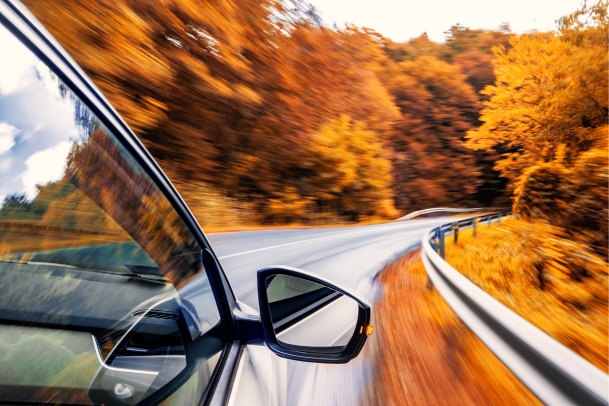
Share :



Share :
This comprehensive checklist for fall vehicle maintenance is designed to ensure your car is not only ready for the drop in temperatures but also equipped for safer and more reliable driving conditions. Taking proactive steps now can prevent minor issues from becoming major problems during the winter months, protecting your investment and ensuring your peace of mind on the road.
Colder temperatures significantly impact battery performance. Have your battery tested for voltage and cranking power. If it's weak or showing signs of age, consider replacing it before it leaves you stranded on a chilly morning.
Your coolant system protects your engine from freezing. Ensure your coolant mixture is appropriate for your region's expected low temperatures. A coolant flush and fill will remove old, degraded coolant and replace it with fresh, ensuring protection against freezing and corrosion.
Autumn brings beautiful scenery, but it also brings unpredictable weather. Make sure you're prepared for anything with reliable car insurance from ThinkInsure.

Lower temperatures cause tire pressure to drop. Check your tire pressure regularly and inflate them to the recommended pressure (found in your owner's manual or on a sticker inside your driver's side doorjamb). Inspect your tire tread depth. Insufficient tread can lead to reduced traction on wet or snowy roads. Consider replacing tires if necessary.
Fall brings rain and leaves. Make sure your wiper blades are in good condition and can effectively clear your windshield. Replace worn or streaking blades for optimal visibility. Consider investing in winter wiper blades if you anticipate snow or ice.
Ensure all your exterior lights (headlights, taillights, brake lights, turn signals) are functioning correctly. Dim lighting conditions in the fall make it crucial to have all your lights working perfectly.

Test your car's heater to ensure it's working properly. You don't want to be caught in a cold snap with a malfunctioning heating system.
Check for cracks, leaks, or wear and tear on your engine's hoses and belts. These components are crucial for engine operation and should be replaced if necessary.
Remove any leaves or debris that may have accumulated in your car's crevices, especially around the engine compartment. This is also a great time to clean the interior and restock your vehicle's emergency kit.
Consider scheduling a professional inspection at your local mechanic for regular maintenance. They can identify potential problems you might miss and provide peace of mind before the harsh winter weather arrives.
By following this checklist, you'll ensure your car is ready for fall and winter. Proactive car maintenance avoids costly repairs and ensures your safety. And remember, saving money on car insurance with a comparison site like ThinkInsure is just as important as keeping your car in top condition!
Share

Digital Content Writer
Kayla-Jane has been a content writer with ThinkInsure since 2020. She creates insurance content for auto, home, and commercial. Kayla-Jane has a diploma in Journalism.
| Categories | Industry NewsAuto |
|---|---|
| Tags | Tips and AdviceDriving TipsRepairs and Maintenance |
Read our insurance blog to get helpful tips, information and news.
Learn how car insurance deductibles work in Ontario. Discover how choosing a $500 vs. $1000 deductible impacts your auto insurance premiums and claim payouts.

The Statutory Accident Benefits Schedule in Ontario ensures certain benefits are available to any person injured in a car accident. In this blog, we’ll discuss what the statutory accident benefits schedule is and the role it plays in insurance and accident benefits claims.

Accumulated a few demerit points on your driving record? Here are some of the most common questions about demerit points in Ontario, how the demerit points system works, and if they can impact insurance.

There are situations where you will want or be required to have additional insurance, often in the form of optional enhancements called the Ontario Policy Change Form (OPCF).

