Share :



Share :
Speeding has become a big issue in cities, and speed cameras can help combat the problem by encouraging drivers to slow down and obey the posted speed limit.
However, as of November 14, the speed cameras will be removed from cities as an effort to improve affordability measures.
Toronto alone issued about $40 million in fines from automated speed cameras in 2024, and so far this year, the total is already up over $45 million. Members of the city councils in the province are suggesting the move will make streets more dangerous.
In this blog, we explain how speed cameras work, what the ban on speed cameras mean, and whether you received a ticket in the past whether it will increase your Ontario auto insurance.
The Ford government is quickly enacting legislation to ban municipal speed cameras province-wide. The new measure contained with Bill 56, is saying cities to remove all Automated Speed Enforcement (ASE) cameras by November 14.
Premier Doug Ford has consistently called the cameras a "cash grab," a push that intensified after numerous cameras were recently vandalized in Toronto. The government believes alternative measures are more effective for traffic calming.
Transportation Minister Prabmeet Sarkaria confirmed that the provincial government will provide and pay for temporary, larger signs for municipalities to install in affected areas before the November 14 deadline. The province has also committed to helping fund and install more permanent physical infrastructure changes, such as speed bumps, roundabouts, and large flashing signs in school zones. However, critics point out that these more effective, permanent structures will not be in place before the cameras, which many groups cite as a proven road safety tool, are removed.
The fast-tracked ban faces strong opposition from safety advocates and municipal leaders. The Association of Municipalities of Ontario (AMO) and Ontario's police chiefs have publicly opposed the move, citing real evidence that speed cameras improve road safety by reducing vehicle speeds. AMO President Robin Jones warned the Premier that removing the ASE cameras will cause speeds to rise in community safety zones, putting more pedestrians at risk, and urged the government to collaborate on effective safety measures instead of implementing a ban.
If you get a speeding ticket now from a municipal speed camera program, you still have to pay it as long as the cameras are operational. Tickets issued through these automated speed programs remain valid. The Ministry of Transportation has officially confirmed that any tickets issued while the speed cameras are working must be paid. While you have the option to challenge the ticket, it can be upheld.
Since the camera takes an image of the licence plate, not the driver, the ticket won’t show up on your record, affect demerit points, and it won’t increase your car insurance quotes.
The driver can’t be identified by the camera; the fine can’t be associated with the driver, only the car. Insurers also won’t have access to this information. Regardless of who is driving, the vehicle owner is responsible for paying the fine.
If the owner of the vehicle refuses to pay the fine for a speeding camera ticket, they will be subject to a plate denial. This means the fee will be added to the plate renewal and they will not be allowed to renew their licence plate sticker without paying the fine.
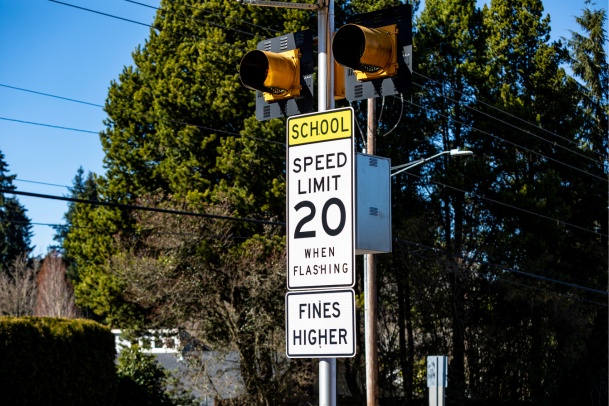
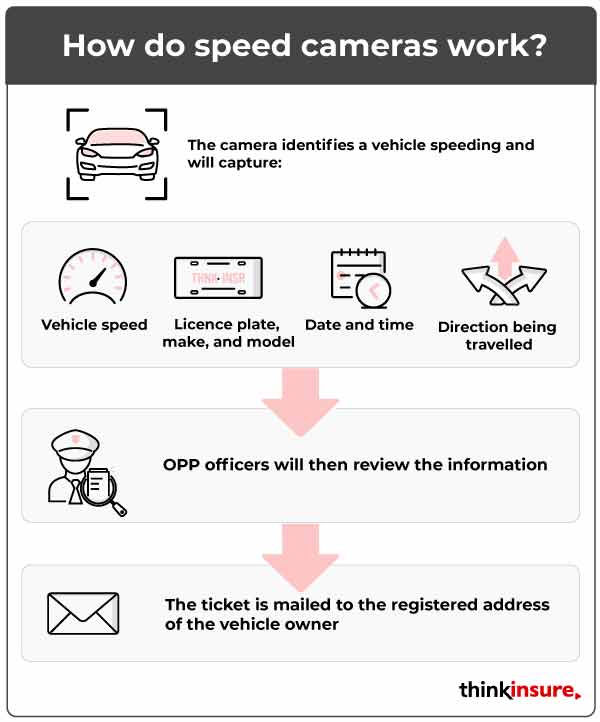
Ontario’s Automated Speed Enforcement (ASE) is a system of cameras created to capture vehicles' speed and issue tickets. The cameras work remotely without an operator. There will be posted signs before the cameras to warn drivers. Most of the speed cameras are set up in community safety zones and school zones.
Once the camera detects a vehicle speeding, it will record:
After the image is taken, the information and photographs are recorded and stored within the unit. OPP officers will then review the information and mail the ticket to the registered address of the vehicle owner.
Photo radar tickets and fines are similar to parking tickets and they will not show up on your driving record. You will only receive a fine.
Here are the fines for photo radar tickets in Ontario:
| Kilometres | Fine |
|---|---|
| 1-19 kilometres per hour | $5.00 per kilometre |
| 20-29 kilometres per hour | $7.50 per kilometre |
| 30-49 kilometres per hour | $12.00 per kilometre |
| 50 kilometres per hour or more over | To be settled in court |
The cost of your speeding ticket will be calculated using the exact speed that was captured. For example, if the speed limit was 40 km/h and you were going 60 km/h, it would cost $70.00 (speed multiplied by the fine price per kilometre). A $5.00 VFS (victim fine surcharge) will be added to some fines in Ontario for funding to help victims of crime.
Most legal representatives will suggest there is not much point in fighting a speed camera ticket since it will not affect your abstract, raise your policy costs, or demerit points. In fact, hiring legal assistance may be more than the ticket. If it is an excessive fine, you can consider appearing in court to reduce the fine.
If you receive a camera speeding ticket in a rental car, the company will first receive the ticket. They will then send it to you to cover the fees and costs. It is highly recommended to pay the fine right away, so fees and fines don’t escalate.
Photo radar has no impact on your demerit points in Ontario.
Although the use of photo radar was discontinued in 1994, the Highway Traffic Act granted permission to use automated speed enforcement in community safety and school zones. Therefore, it is permitted by law.
To reduce a photo radar ticket, you will have to follow the steps on the ticket that outline planning a court date and who to contact.
If you are driving over the speed limit and a photo radar tick gets a photo, it will be mailed to you within 5-10 business days.
If you are caught by a photo radar camera, you won’t see any drastic changes in your Toronto car insurance, but that does not make it worth it. Always practice defensive driving and keep your car at the speed limit.
Share

Digital Content Writer
Kayla-Jane has been a content writer with ThinkInsure since 2020. She creates insurance content for auto, home, and commercial. Kayla-Jane has a diploma in Journalism.
| Categories | Industry NewsAuto |
|---|---|
| Tags | Auto CoverageNewsTicketsDriving Tips |
Read our insurance blog to get helpful tips, information and news.

Learn how car insurance deductibles work in Ontario. Discover how choosing a $500 vs. $1000 deductible impacts your auto insurance premiums and claim payouts.

The Statutory Accident Benefits Schedule in Ontario ensures certain benefits are available to any person injured in a car accident. In this blog, we’ll discuss what the statutory accident benefits schedule is and the role it plays in insurance and accident benefits claims.

Accumulated a few demerit points on your driving record? Here are some of the most common questions about demerit points in Ontario, how the demerit points system works, and if they can impact insurance.

There are situations where you will want or be required to have additional insurance, often in the form of optional enhancements called the Ontario Policy Change Form (OPCF).
