
Share :



Share :
If a friend or family member needs to use your car, are they covered if there is an accident?
You may be wondering if anyone who has a valid licence and active car insurance can use your car without breaking any laws or contracts. There are some nuances to consider when someone else drives your car.
Before the driver heads out of the driveway, here is what you need to know if you let someone drive your car.
Insurance covers the vehicle, not the person driving it. You cannot legally drive in the province if you don’t have any.
If you have an active licence in the province, you can use someone else’s vehicle. You must have permission to use it and drive responsibly. You may want to consider adding an occasional driver if you have a friend or family member who uses your vehicle weekly. If you lie to your insurer and fail to disclose this information, you may be faced with material representation.
Be mindful that if you get a speeding ticket or caught stunt driving in their car, police will accept the owner of the car’s proof of insurance but the fine will go on your record.
Under certain circumstances, you can lead your vehicle to someone who is not included on your policy, because it is applied to the VIN. If you decide to lend your vehicle, consider the following:
Always consider the person you are lending your vehicle to before you hand over the keys. Allowing a friend to borrow your car for a day to move, versus letting your partner drive to work every week, requires different obligations and protections.
If someone borrows your car and is involved in an accident, your insurer will cover the losses as long as the person driving has explicit permission to use it. It’s important to remember that when you let someone borrow your car, they are borrowing that clean driving record you have. If they are a poor driver, use your discretion.
Insurers will cover car insurance claims resulting in an accident from someone else behind the wheel – they don’t need coverage of their own. As an uninsured driver, you are protected up to the car owner’s policy limits. It will cover damages and bodily harm caused to the drivers.
Keep in mind that Ontario has a graduated licensing system, and depending on what type of licence you have, if you break any of those rules, you could be faced with a denied claim and increased costs.
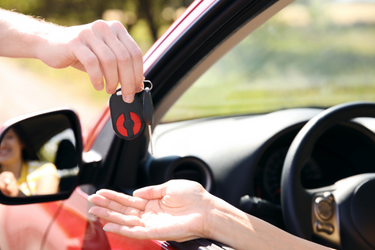
There are circumstances where you will not be covered if you are using someone else’s car. This would include:
If you have a roommate or family member you live with, it’s important to tell your insurer if they drive and have their own coverage.
There are ways to modify and add to an existing policy so that you can enjoy the same protection if you drive borrowed vehicles, rideshare services, and rental cars. OPCF 27 (non-owner coverage) is an add-on for your insurance. This type of coverage only protects the driver – it’s a type of liability coverage.
Non-owner insurance can be beneficial. For example, you visit a friend out of the province, borrow their car, and there is an accident. If the damages exceed their coverage limits, the non-owner insurance will cover the remainder. Otherwise, you would have to pay for it.
You don’t need non-owner insurance if you drive a company car for business reasons or you are listed on the policy of someone you live with.
If you are driving without insurance you would still be protected if you are in an accident. You are covered under permissive use when you give someone permission to drive your car.
As long as you have a valid licence, you can drive someone else’s car, even if you do not have insurance. If you are driving without a licence and get into an accident, insurers can deny your claim even if the owner permitted you to drive.
If you are driving someone else’s vehicle and are licensed in the province, their coverage will protect you while you’re on the road.
Anyone living under your roof should be included in your policy. You may see a slight increase by adding them, but you are ensuring they are protected in the event of an accident or if they need to use your car.
Share

Digital Content Writer
Kayla-Jane has been a content writer with ThinkInsure since 2020. She creates insurance content for auto, home, and commercial. Kayla-Jane has a diploma in Journalism.
| Categories | Industry NewsAuto |
|---|---|
| Tags | Auto CoverageFAQs |
Read our insurance blog to get helpful tips, information and news.

Learn how car insurance deductibles work in Ontario. Discover how choosing a $500 vs. $1000 deductible impacts your auto insurance premiums and claim payouts.

The Statutory Accident Benefits Schedule in Ontario ensures certain benefits are available to any person injured in a car accident. In this blog, we’ll discuss what the statutory accident benefits schedule is and the role it plays in insurance and accident benefits claims.

Accumulated a few demerit points on your driving record? Here are some of the most common questions about demerit points in Ontario, how the demerit points system works, and if they can impact insurance.

There are situations where you will want or be required to have additional insurance, often in the form of optional enhancements called the Ontario Policy Change Form (OPCF).
