image of suv and city skyline in the background
50+ Years experience icon

Years experience

Proudly Canadian icon

Proudly Canadian

Licensed insurance experts icon

Licensed advisors

Private & secure platform icon

Private & secure

/ Insurance /Car Insurance /Direct Compensation Property Damage

Author photo

Written by Nolan Wilson July 13, 2026 7 min read

What is Direct Compensation Property Damage?

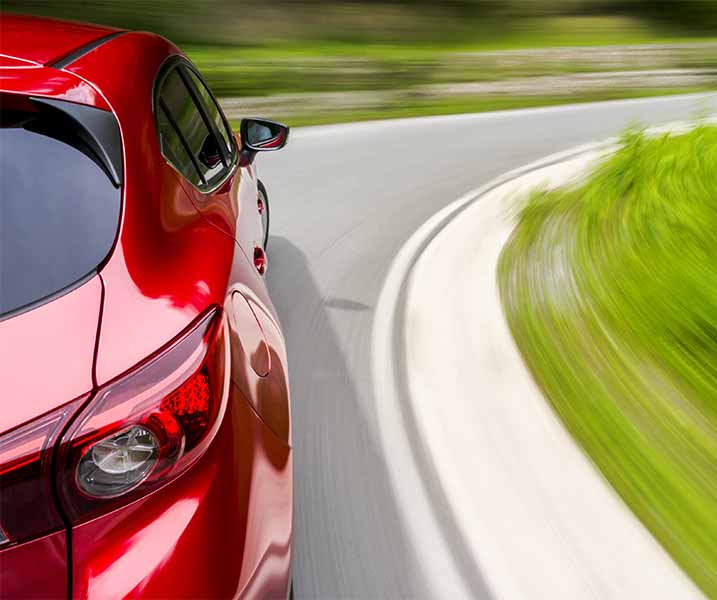
A red car travelling along a curved road lined with autumn leaves.

Direct Compensation Property Damage (DCPD) refers to the way your claims are paid out. In Ontario, for all non-at-fault accidents, you are compensated directly by your own insurer. On January 1, 2024, this coverage became optional, though it remains an important part of most auto policies.

DCPD compensates you when your car is damaged in an accident you did not cause. It is called direct compensation because you deal directly with your own insurer for all no-fault insurance claims. You do not have to wait for the other driver's insurer to process your claim, and you do not have to sue the at-fault driver to recover damages.

It helps simplify the claims process and protect you after a collision. To help you understand what is included, we have compiled what you need to know about DCPD and how it affects your Ontario auto insurance coverage.

DCPD coverage: what you need to know

  • Since January 1, 2024, Ontario drivers can opt out of DCPD using the OPCF 49 endorsement.
  • For DCPD to apply, the accident must involve at least one insured vehicle, happen in Ontario, and you must not be at fault.
  • DCPD coverage cannot be increased. For additional protection, consider adding collision coverage.

How to get quotes for DCPD insurance

1
step one car image

Driving details

Enter your vehicle and driving information.

2
step three car image

Compare quotes

Instantly see quotes from multiple insurance companies.

3
step three car image

Get insured

Choose the best rate and confirm your policy details with us.

Helping drivers save on auto insurance!

How did Direct Compensation Property Damage change in 2024?

All automobile policies in Ontario include DCPD unless you choose to opt out. One of the major changes to Ontario's auto insurance is the optional status of this key element of no-fault insurance. As of January 1, 2024, you can opt out of DCPD by adding the OPCF 49 endorsement.

DCPD is still included in your policy and available when you get an Ontario car insurance quote. However, you can remove this coverage to save about 5% to 10% on your policy cost. It is important to speak with your broker about this decision, because while it may save money in the short term, opting out of DCPD could result in significant long-term costs.

Recent car insurance savings

Car on the road

Quote Date:

2026/04/12

Location:

Whitby, ON

Vehicle:

2018 AUDI – A3 2.0T QUATTRO 4DR

Best Price

Intact My Drive


$1,701/yr

$141/m

Intact


$1,889/yr

$157/m

SGI Canada


$1,950/yr

$162/m

Pembridge


$2,121/yr

$176/m

Savings from top 4 lowest quotes

$420/yr

Quote Date:

2026/05/17

Location:

Ottawa, ON

Vehicle:

2015 AUDI – A3 2.0T QUATTRO 4DR

Best Price

GORE


$1,235/yr

$102/m

Intact My Drive


$1,498/yr

$124/m

Wawanesa


$1,521/yr

$126/m

Pembridge


$1,589/yr

$132/m

Savings from top 4 lowest quotes

$354/yr

Quote Date:

2026/05/24

Location:

London, ON

Vehicle:

2018 TOYOTA – RAV4 LE 4DR 2WD

Best Price

Pembridge


$1,726/yr

$143/m

Intact My Drive


$1,872/yr

$156/m

Intact


$2,079/yr

$173/m

Wawanesa


$2,272/yr

$189/m

Savings from top 4 lowest quotes

$546/yr

Quote Date:

2026/07/08

Location:

Mississauga, ON

Vehicle:

2021 NISSAN – SENTRA 2.0 SR 4DR

Best Price

Intact My Drive


$2,160/yr

$180/m

Intact


$2,397/yr

$199/m

Wawanesa


$2,480/yr

$206/m

GORE


$3,000/yr

$250/m

Savings from top 4 lowest quotes

$840/yr

How does DCPD work?

If someone hits your car, your insurance company can pay to fix the damage or replace your vehicle. They provide a payment based on your car's current value, which you can use to purchase another car.

Coverage for damage to your vehicle when you are at fault in a collision is not automatically included. You need to add collision coverage to your policy for that.

If you opt out of DCPD by adding the OPCF 49 endorsement to save money, you lose the no-fault coverage for your car. This means you cannot sue the other vehicle's driver or owner.

However, your policy will still include accident benefits coverage, which can provide compensation if you are injured. You will also have at least $200,000 in third-party liability coverage, which protects you from lawsuits if you cause an accident and someone is injured or their property is damaged. Always speak with your broker to learn more about your policy limits and exceptions.

Compare rates for DCPD car insurance

Find the lowest rates for direct compensation property damage insurance in just a couple of minutes. Compare rates from the top Ontario providers online or speak with a licensed ThinkInsure advisor to save on your auto insurance.

Get started
ThinkInsure Google review 4.7 rating

Is Direct Compensation Property Damage insurance mandatory?

DCPD was mandatory until January 1, 2024. At that time, it became optional in Ontario.

Ontario's insurance regulator approved OPCF 49, which allows policyholders to decline Direct Compensation Property Damage coverage.

What are the DCPD rules in Ontario?

There are four criteria that must be met for Direct Compensation Property Damage insurance to apply:

  • Not at fault: You must not be at fault for the accident. Fault determination rules under the Insurance Act are used to assess who caused the collision.
  • Vehicles involved: One or more vehicles must be involved in the accident.
  • Insured: All vehicles involved must be identified and insured.
  • Location: The accident must happen within Ontario for DCPD to take effect.

When all of these apply, direct compensation coverage is enacted.

Are all non-at-fault accidents covered under DCPD?

No. There are certain situations where non-at-fault accidents, such as hit and runs, are not claimed under DCPD. These are filed through your collision insurance.

Similarly, if you are involved in an accident with an uninsured driver and you are not at fault, the claim is filed under the uninsured automobile section of your policy.

Is there a Direct Compensation Property Damage deductible?

No. Most policyholders do not have a deductible for DCPD insurance and claims, because you are not at fault. However, if part of your claim falls under collision, you must pay the deductible.

For example, if you are found 20% at fault, 20% of your claim would fall under collision and 80% under DCPD. This means you must also pay 20% of your collision deductible. If your deductible is $1,000, you must pay $200.


Should you keep DCPD or opt out?

Since you can now opt out of DCPD, the question is whether the saving is worth it. For most drivers, the small premium reduction does not outweigh the added risk. Here is how the two choices compare:

Keeping DCPD compared to opting out with OPCF 49
Factor Keep DCPD Opt out (OPCF 49)
Premium Standard cost Save about 5% to 10%
Claims process Deal only with your own insurer Must pursue the at-fault driver's insurer
Not-at-fault repairs Covered, usually with no deductible Paid out of pocket or through other coverage
If you lease or finance Meets typical lender requirements May breach your agreement
Best suited for Most drivers Rarely advised

Vehicle and repair costs have risen, and repairs take longer because of parts shortages, so opting out can expose you to significant out-of-pocket costs. For most drivers, DCPD is worth keeping. Speak with an advisor before making the change.

Why choose ThinkInsure?

We've served the Ontario insurance market for over 50 years.

RIBO licensed advisors to assist you with all your insurance needs.

Compare coverage and rates from our large selection of auto insurance providers.

Get exceptional customer service. We like happy customers and have a 4.7/5 Google rating.

Direct Compensation Property Damage FAQs

No. There is no option to increase or add additional DCPD coverage. If you want more protection, we recommend adding collision coverage. Speak with our brokers to select the right level of coverage.

Direct compensation agreements make the claims process simpler and more efficient. In the past, if you were in an accident that was not your fault, your insurer would have to chase the other driver's insurer for compensation. This often led to delays in claim payouts and a longer, more frustrating process.

No. Ontario is one of several provinces that offer Direct Compensation Property Damage insurance. DCPD is also available in:

  • Alberta
  • Nova Scotia
  • Prince Edward Island
  • New Brunswick
  • Quebec

DCPD operates differently in each province, so check your local requirements.

Removing DCPD can pose a lot of risk for a small insurance discount. Vehicle repairs take longer than before because of part shortages and supply chain disruptions, and DCPD helps the process move faster because you only deal with your own provider. The cost of vehicles and repairs has also increased, so opting out puts you at greater risk of paying for repairs and replacements out of pocket.

Leasing or financing without DCPD can be risky. If you have an accident that is not your fault, you may be held liable for the total cost of the vehicle, because the dealership or financing company is usually the vehicle's true owner and typically requires certain coverage. Review the lease or financing agreement before signing, and speak with an insurance professional.

5 star reviews

4.7
Google ThinkInsure Google 5 star reviews

Rated 4.7 out of 5 stars in 1547 Google reviews

See all reviews

Talk to an advisor about DCPD coverage

DCPD is included by default, so the decision is whether to keep it or opt out. Our RIBO licensed advisors can help you weigh that choice for your situation and find you the best rate.

Personalized coverage

Our advisors help you decide whether keeping DCPD or opting out with OPCF 49 makes sense based on how you drive and whether you lease or finance.

Compare multiple quotes

We instantly compare coverage and rates from our large selection of Ontario insurance providers to find you the lowest price.

Get your auto policy

Choose the provider that offers the best coverage and rate for your needs. We often can get you insured with a new automobile policy on the same day.

Speak with an advisor today!

Call us if you have questions about DCPD, the OPCF 49 endorsement, or how opting out affects your premium. We often can get you insured the same day.

Get expert savings advice

DCPD is included by default, and for most drivers it is worth keeping. Opting out saves a little, but it removes your no-fault protection and can mean paying out of pocket when someone else damages your car. If you lease or finance, keep it, and speak with us before adding the OPCF 49 endorsement.

Wasim Khan ThinkInsure insurance broker

Wasim Khan

Insurance Broker (RIBO) Follow Wasim Khan on Linkedin

Want to save on your auto policy? We can help!

Monday-Friday: 8am-6pm

Inside of car driving on a city street

Find a better rate with the right DCPD coverage

Not sure whether to keep DCPD or opt out? Compare coverage and quotes from our large selection of Ontario car insurance companies and get advice that fits your situation. Get a free quote online or give us a call today.

Get Quotes

Sources

The information on this page is for general guidance about Direct Compensation Property Damage coverage in Ontario. DCPD became optional on January 1, 2024, and the saving and deductible figures here are illustrative and vary by insurer and policy. For regulatory details on Ontario auto insurance and the OPCF 49 endorsement, see the Financial Services Regulatory Authority of Ontario (FSRA). Speak with a ThinkInsure RIBO licensed advisor to confirm what applies to your policy.

Nolan Wilson

Content Marketing Manager

Nolan is a content marketing manager and writer at ThinkInsure. He has 15+ years of experience in the insurance industry, working with brokerages and direct insurers to create compelling insurance content, specializing in auto, home, and commercial.

Insurance Blog And News

Read our insurance blog to get helpful tips, information and news.

two people looking at a car for damage after an accident
2026-06-22

What is the Statutory Accident Benefits Schedule (SABS) in Ontario?

The Statutory Accident Benefits Schedule in Ontario ensures certain benefits are available to any person injured in a car accident. In this blog, we’ll discuss what the statutory accident benefits schedule is and the role it plays in insurance and accident benefits claims.

cop car lights flashing
2026-06-18

Ontario Demerit Points System

Accumulated a few demerit points on your driving record? Here are some of the most common questions about demerit points in Ontario, how the demerit points system works, and if they can impact insurance.

pastel pink vintage car parked near trees
2026-06-15

OPCF – Explaining Ontario Policy Change Forms

There are situations where you will want or be required to have additional insurance, often in the form of optional enhancements called the Ontario Policy Change Form (OPCF).

women with short hair driving a car in summer
2026-06-02

What Is The Total Cost Of Owning A Car In Canada?

The cost of owning a car has surpassed $1,000 per month. Here’s how you can calculate how much it costs to own a car in 2026.

More ways to save on car insurance